
Field notes ·
A plan is a hypothesis, not a to-do list
6 min read
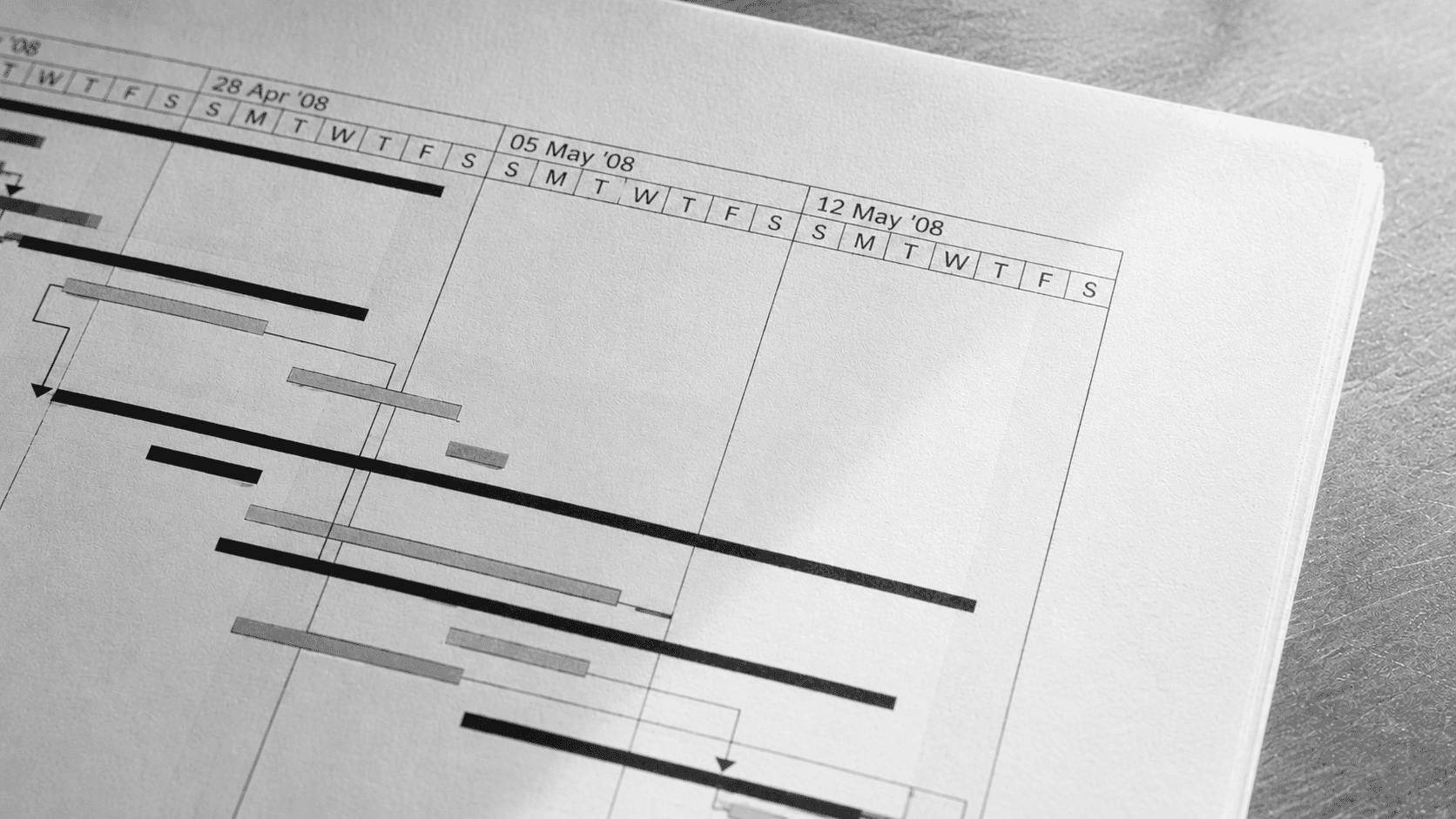
Most people who set a goal for the year are doing things towards it. They have a target. They are working hard. What they don't have is a clear internal model of how the things they're doing culminate in the target being hit, or whether it can be hit at all.
This isn't a goal-setting problem. It's a plan-construction problem, and it's the most common reason year-end goals quietly stop being mentioned by April.
Having a goal and having a plan are not the same thing. Most people have the first and assume they have the second. The plan, if you push on it, turns out to be a list of things that feel related to the goal, assembled forwards from a sense of what's productive, rather than backwards from what the goal actually requires.
What working forwards looks like
You decide you want to add £500k of revenue this year. You start doing the things that feel like they should produce revenue. More outreach. A new landing page. A pricing review. A conference. Each of these is defensible on its own. None of them are connected to a model of how £500k actually arrives.
By month three, you've been busy. Some things are working, some aren't. You don't know whether you're on track, because you never defined what on track would look like at month three. By month six, the gap between effort and outcome is becoming uncomfortable, but it's not yet obvious enough to force a decision. By month nine, the goal has quietly been replaced by a softer version of itself, and you'll spend December explaining the shortfall in terms of market conditions.
What's strange about this failure mode is how unalarming it feels while it's happening. You're working. Things are moving. There's no specific moment where the plan visibly breaks, because the plan was never specific enough to break. It just becomes less and less clear what it would mean for the plan to be working, until at some point the question stops being asked.
The problem isn't the effort. The effort is real. The problem is that the plan was never a hypothesis about what would produce the outcome. It was a list of things that felt like progress.
What working backwards looks like
Working backwards starts with the outcome and asks what would have to be true for it to happen.
Take the fitness version. You want to run a sub-40 10k by November. You can currently run a 47-minute 10k. To get to 40, you need to be comfortably running 5k at sub-19 by August, which means hitting consistent threshold work through the spring, which means a base-building block now while the weather is still bad. The plan tells you what the next eight weeks should look like, and it tells you what should be true at the end of them. If you finish the base block and your easy pace hasn't shifted at all, the plan is wrong, and you find out in May rather than October.
The revenue version works the same way. £500k of new revenue, at your average deal size of £25k, is twenty new customers. At your current conversion rate from qualified call to close, that's roughly eighty qualified calls. At your current call-booking rate from outbound, that's somewhere near a thousand contacts. You now have a number that tells you whether the top of the funnel is doing its job by month three. If it isn't, you don't need to wait until December to know the plan is failing.
The further useful thing this exercise does is show you which part of the plan is actually broken when it breaks. If you're hitting your contact volume but not your booked-call rate, the problem is messaging or targeting, not effort. If you're booking calls but not closing them, the problem is qualification or product fit, not the top of the funnel. A forward-built plan can't tell you any of this, because none of those numbers were ever defined. You just know, in a fuzzy way, that revenue isn't where you wanted it to be.
In both the fitness and the revenue cases, the plan surfaces its own failure early enough to do something about it. That's the property a forward-built plan doesn't have, and it's the reason backwards-built plans tend to survive contact with the year.
The plan is a hypothesis
The reframe I keep coming back to is that a plan is a hypothesis. It's your best current theory of what will move you from where you are to where you want to be. Like any hypothesis, it has to be specific enough to be wrong. A plan you can't fail at by a specific date isn't a plan, it's a sentiment.
This is the part that doesn't sit easily with most people. Hypotheses get tested, and tests sometimes come back negative. A plan built backwards from the objective will, more often than not, tell you at some point that it isn't working. Most people don't want their plan to tell them that. So they build plans that can't fail, and discover at the end of the year that the goal has failed instead.
There's an obvious objection to all this, which is that you often don't have enough information at the start of the year to build a confident backwards plan. The conversion rates are estimates. The training response is a guess. The deal-size assumption might be wrong. This is true, and it doesn't change the argument. The plan you build is your best current theory given what you know, and the point of writing it down precisely is that the early checkpoints tell you which of your assumptions were wrong. A plan with fuzzy numbers that gets sharpened by review is more useful than a plan that avoided numbers in the first place because you didn't trust them.
The thing that's left over
Build the plan backwards and the question stops being whether you're working hard. It becomes whether the work you're doing is the work the objective actually requires. Those are different questions, and most people only ask the first.
The next question, once the plan exists, is what should actually be in it. Not all of the things in a plan are the same shape. Some are projects with a definite end. Some are recurring behaviours that compound. Confusing the two is one of the main reasons plans built backwards still fall apart in execution. That's the next thing worth writing about.